
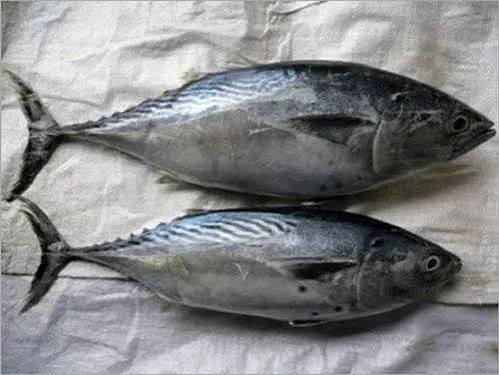
Tuna is a large, fast-swimming saltwater fish that is highly valued for its firm texture, rich flavor, and high nutritional value. It is one of the most widely consumed fish in the world and is available fresh, frozen, and canned.
Nutrition (per 100 g, cooked)
- Calories: ~130–150 kcal
- Protein: ~29–30 g
- Fat: ~1–5 g (varies by species)
- Omega-3 fatty acids: Good source
- Rich in Vitamin B12, Vitamin D, Selenium, Niacin (Vitamin B3), and Phosphorus
Health Benefits
- Excellent source of lean protein for muscle growth and repair.
- Supports heart health with omega-3 fatty acids.
- Helps maintain brain function and eye health.
- Rich in antioxidants such as selenium.
- Supports energy production through B vitamins.
Popular Ways to Cook
- Grilled tuna steak
- Pan-seared
- Baked
- Sushi and sashimi (using sushi-grade tuna)
- Canned tuna for sandwiches, salads, and pasta
Taste and Texture
Tuna has a meaty, firm texture and a mild to rich flavor depending on the species. Unlike many fish, it resembles meat in texture, making it popular for steaks.
Common Types
- Bluefin tuna
- Yellowfin tuna
- Albacore tuna
- Bigeye tuna
- Skipjack tuna
Note
Some tuna species, especially larger ones like Bluefin and Bigeye, can contain higher levels of mercury. Pregnant women, young children, and people who eat fish frequently should choose lower-mercury options (such as Skipjack) more often and moderate consumption of higher-mercury species.




Reviews
There are no reviews yet.